

America's Rolling Restaurant Revolution
A well-painted truck parked on a city corner, a hand-lettered menu board propped against its window, the smell of smoked brisket drifting across the sidewalk — food trucks have changed the way Americans eat. Whether it's slow-smoked brisket in Austin, hand-rolled bánh mì in Los Angeles, or molten-chocolate churros at a Portland night market, the appeal is immediate.
What began as a practical solution for feeding laborers in the late 19th century has grown into a multi-billion-dollar industry. The modern food truck movement traces its roots to Los Angeles in the mid-2000s, when operators began using Twitter to announce daily locations and lines formed around city blocks for Korean-Mexican fusion tacos.
By the early 2010s, food trucks were a bona fide American institution. By 2026, the industry employs hundreds of thousands of people and serves millions of meals every single day.
What Changed — And Why It Matters
When COVID-19 shuttered dining rooms in 2020, food trucks — already built around outdoor service and contactless transactions — were uniquely positioned to thrive. Established restaurants pivoted to truck models. Laid-off chefs launched their own concepts. Consumers rediscovered their neighborhoods on foot and found food trucks waiting.
TikTok and Instagram Reels turned local trucks into overnight sensations. A single 30-second video could drive a three-hour wait. The algorithmic discovery engine that once favored celebrity chefs now elevated a 22-year-old with a converted step van and a grandmother's dumpling recipe.
Food trucks offer a dramatically lower barrier to entry than brick-and-mortar restaurants — typically $50,000–$175,000 compared to $275,000–$1,000,000+. For immigrant families and first-generation business owners, the food truck has become a genuine pathway to economic independence and cultural expression.
How to Use This Guide
This guide covers everything you need to know about food trucks in America. Whether you are a hungry customer looking for the best trucks in your city, a traveler planning a food-focused road trip, an event planner booking trucks for a corporate event or wedding, an aspiring operator researching how to launch, or a journalist looking for reliable industry data — you'll find what you need here.
Use the table of contents to jump to your area of interest, or read straight through for the most complete picture of American food truck culture available online.
Popular Food Truck Cuisines Across America
From coast to coast, food trucks serve a wide range of flavors. Here are the categories defining the scene.
Mexican, Tex-Mex & Taco Trucks
California, Texas, Arizona, New Mexico, Chicago
If any single cuisine defines American food truck culture, it's Mexican food. Taco trucks predate the food truck movement by decades. Today, Mexican and Mexican-influenced trucks represent the single largest category in our directory.
What to order: Birria tacos, al pastor from a vertical trompo, tamales, elote, carne asada fries, breakfast burritos

Asian Fusion & Korean BBQ
LA, SF Bay Area, NYC, Seattle, Portland, Houston
The Kogi BBQ truck in LA — launched in 2008 by Chef Roy Choi — ignited the modern food truck movement with Korean-Mexican fusion. Korean BBQ, Japanese fusion, Vietnamese bánh mì, Filipino lechon, and pan-Asian concepts all thrive.
What to order: Korean short rib tacos, spicy pork belly bao, bánh mì, crispy rice with spicy tuna, Filipino adobo rice bowls

BBQ & Southern
Texas, Tennessee, Georgia, Missouri, North Carolina, Virginia
BBQ trucks demand serious equipment — offset smokers and low-and-slow cooking that starts before dawn. Regional styles are sharply distinct: Central Texas brisket, Kansas City burnt ends, Memphis dry ribs, Carolina whole-hog.
What to order: Brisket, pulled pork sandwiches, smoked turkey legs, jalapeño cheddar sausages, banana pudding

Middle Eastern & Mediterranean
NYC, Chicago, LA, Detroit, Washington DC
Shawarma, falafel, hummus boards, Turkish doner, Israeli street food — Middle Eastern trucks have exploded as American palates become increasingly adventurous. Many are run by first- or second-generation immigrants cooking family recipes.
What to order: Crispy falafel pitas, chicken shawarma with garlic toum, lamb over rice, knafeh for dessert

Indian & South Asian
New York, New Jersey, Chicago, SF Bay Area, Seattle, Houston
Indian food trucks face a delicious challenge: the cuisine is deeply complex with dozens of spices. The trucks that succeed — by focusing on specific regional cuisines or street food formats — produce some of the most exciting food in the industry.
What to order: Masala dosa, butter chicken naan wraps, chaat, lamb biryani, mango lassi

Italian, Pizza & Cheesesteaks
Philadelphia, New York, Chicago, Boston, New Jersey
Wood-fired pizza trucks haul custom-built ovens to festivals and markets nationwide. Italian-American street food — arancini, cannoli, Italian beef — has a strong truck presence in the Northeast and Midwest. And then there are cheesesteaks.
What to order: Margherita from a wood-fired oven, grandma-style slices, authentic Philly cheesesteak, arancini, cannoli

Vegetarian, Vegan & Health-Forward
Portland, LA, SF, Austin, NYC, Seattle
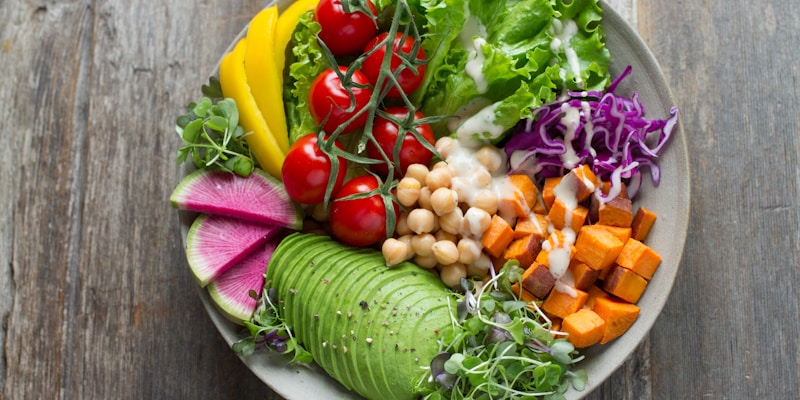
Plant-based trucks have moved from niche to mainstream. The best operators cook vegetable-forward cuisine — jackfruit birria, cashew cheese sauces, smoked beet pastrami, and cauliflower shawarma.
What to order: Jackfruit birria tacos, grain bowls, cold-pressed juices, smoothie bowls
Desserts, Coffee & Specialty
Nationwide
Dessert trucks extend the food truck day into evenings, complement savory lineups at festivals, and photograph exceptionally well. Ice cream, donuts, crêpes, churros, shave ice, bubble tea, and cold brew all thrive. Poke deserves special mention — the Hawaiian raw-fish bowl concept went from regional specialty to national phenomenon in just a few years.
What to order: Artisan ice cream, gourmet donuts, Belgian waffles, specialty coffee, poke bowls

Regional Specialties
Varies by region
Part of what makes American food truck culture so rich is its regionality. Some concepts are so tied to a specific geography or tradition that they feel right only in context — from Maine lobster rolls to Wisconsin cheese curds to New Mexican green chile.
What to order: New England lobster rolls, Midwest cheese curds & walleye fish fry, green chile smothered everything (NM/CO), Low Country shrimp & grits (SC/GA), Chesapeake crab (MD/VA), Native American fry bread (AZ/NM), Hawaiian plate lunch

Food Trucks by State — Top 5 States by Truck Count
Best Food Trucks in California
California has 448 food trucks in our directory — one of the strongest scenes in the country. Here are the highest-rated trucks based on customer reviews.
- 1. Toum Boom Food Truck (Anaheim)
5.0 stars (77 reviews)
Toum Boom Food Truck is a Mediterranean eatery in Anaheim serving shawarma, falafel wraps, and fresh lemonade. Rated 5/5 from 77 reviews. Customers note the authentic flavors, generous portions, and friendly service at this late-night spot.
- 2. TACO PICASSO food truck (San Diego)
5.0 stars (44 reviews)
TACO PICASSO food truck serves Mexican cuisine in San Diego, California, featuring standout chicken, shrimp, and churros. Rated 5/5 from 44 reviews. The service is noted for being professional, efficient, and highly accommodating for events.
- 3. Hummus Bodega Food Truck (Lafayette)
5.0 stars (42 reviews)
Hummus Bodega Food Truck is an Israeli eatery in Lafayette serving standout falafel and shawarma. Rated 5/5 from 42 reviews. Price range: $20–30. Guests praise the authentic flavors, fresh ingredients, and the truck's welcoming atmosphere.
- 4. Food Truck Association Los Angeles (Los Angeles)
5.0 stars (31 reviews)
Food Truck Association Los Angeles is a mobile catering company in Los Angeles, California, providing curated food truck coordination for corporate and private events. Rated 5/5 from 31 reviews. Clients note seamless, professional service.
- 5. La Sierra Tacos Food Truck (North Hollywood)
5.0 stars (28 reviews)
La Sierra Tacos Food Truck is an Oaxacan restaurant in North Hollywood serving tacos, tortas, and quesadillas. Rated 5/5 from 28 reviews. The truck offers a seated outdoor area, fresh toppings, and house-made agua frescas with friendly service.


Best Food Trucks in Texas
Texas has 649 food trucks in our directory — one of the strongest scenes in the country. Here are the highest-rated trucks based on customer reviews.
- 1. La Papa Loca Food Truck (Harlingen)
5.0 stars (626 reviews)
La Papa Loca Food Truck is a Mexican cuisine truck in Harlingen, Texas, known for loaded potatoes, fajita quesadillas, and tacos. Rated 5/5 from 626 reviews. Patrons frequently highlight the fresh ingredients and quick, friendly service.
- 2. The Chop Nation - Halalicious Hibachi (Food Truck) (McKinney)
5.0 stars (204 reviews)
The Chop Nation - Halalicious Hibachi is a halal Japanese hibachi truck in McKinney, Texas, serving favorites like steak, shrimp, and chicken plates. Rated 5/5 from 204 reviews. Customers highlight the fresh grill-side service and quality.
- 3. M & M's Coffee Shop and Grub Food Truck Midland TX (Midland)
5.0 stars (143 reviews)
M & M's Coffee Shop and Grub Food Truck is a Midland, Texas eatery serving dishes like Monte Cristo sandwiches, buffalo ranch chicken fries, and flavored lemonades. Rated 5/5 from 143 reviews. Customers highlight the quality of the sandwiches.
- 4. CHOW Food Truck (Northlake)
5.0 stars (93 reviews)
CHOW Food Truck serves Asian-American cuisine in Northlake, Texas, featuring short ribs, fried rice, chicken tacos, and sticky chicken. Rated 5/5 from 93 reviews. The entire menu is gluten-free and the staff is frequently noted for service.
- 5. Bamboo Hibachi Food Truck (Dallas)
5.0 stars (87 reviews)
Bamboo Hibachi Food Truck is a hibachi spot in Dallas, Texas, serving chicken, steak, seafood, noodles, and rice. Rated 5/5 from 87 reviews. The truck is known for its flavorful dishes, fresh ingredients, and friendly, welcoming service.


Best Food Trucks in Florida
Florida has 263 food trucks in our directory — one of the strongest scenes in the country. Here are the highest-rated trucks based on customer reviews.
- 1. Fresh Delicious - Restaurant Argentino en Miami/Food Truck (Miami)
5.0 stars (469 reviews)
Fresh Delicious - Restaurant Argentino en Miami is an Argentinian food truck in Miami serving empanadas, choripan, and milanesa sandwiches. Rated 5/5 from 469 reviews. Price range: $10–20. The truck is noted for its fresh food and attentive service.
- 2. Conflei Food Truck (Miami)
5.0 stars (197 reviews)
Conflei Food Truck is a Venezuelan establishment in Miami, Florida, specializing in authentic street food like Zuliana burgers. Rated 5/5 from 197 reviews. Priced at $10–20, it is noted for its friendly, family-owned service and cleanliness.
- 3. El loco archi food truck (Deerfield Beach)
5.0 stars (131 reviews)
El loco archi food truck is a Colombian eatery in Deerfield Beach serving fresh arepas, steak, picana, and empanadas. Rated 5/5 from 131 reviews. Diners note the friendly service, authentic flavors, and quick preparation times.
- 4. Our Roots – Cuban / Mexican Food Truck in Miami (Miami)
5.0 stars (101 reviews)
Our Roots is a Cuban and Mexican food truck in Miami serving fresh, authentic tacos and comfort dishes. It is rated 5/5 stars from 101 reviews. The truck offers friendly service and a pleasant outdoor dining atmosphere with music and lighting.
- 5. Super Burger Food Truck | Venezuelan Food | Comida Venezolana (Miami)
5.0 stars (97 reviews)
Super Burger Food Truck is a Venezuelan food truck in Miami, Florida, known for its picaña burgers. Rated 5/5 from 97 reviews. Price range: $10–20. Customers highlight the high-quality, fresh ingredients and the welcoming service.


Best Food Trucks in New York
New York has 167 food trucks in our directory — one of the strongest scenes in the country. Here are the highest-rated trucks based on customer reviews.
- 1. Amazigh Food Truck (New York)
5.0 stars (116 reviews)
Amazigh Food Truck is a Mediterranean truck in New York serving dishes like beef tagine, falafel, and grilled chicken. Rated 5/5 stars from 116 reviews. Price range is $10–20. The staff is noted for being friendly and providing quality service.
- 2. Mom and Pop's Rollin' Stove Food Truck (Walden)
5.0 stars (47 reviews)
Mom and Pop's Rollin' Stove Food Truck serves American comfort food in Walden, New York, featuring chicken sandwiches, mac and cheese, and steak sandwiches. Rated 5/5 from 47 reviews. Price range: Moderate ($$). Outdoor seating is available.
- 3. Mobile Delights Sweets & Treats, LLC. The Event Food Truck (Lindenhurst)
5.0 stars (45 reviews)
Mobile Delights Sweets & Treats, LLC. The Event Food Truck is a catering supplier in Lindenhurst, NY, offering custom snacks, candy, and fast food. Rated 5/5 from 45 reviews. Staff are noted for their professional and accommodating service.
- 4. Flores Mexican Food Truck (Brooklyn)
5.0 stars (42 reviews)
Flores Mexican Food Truck serves Mexican cuisine in Brooklyn, featuring popular asada and al pastor burritos, fish tacos, and veggie burritos. Rated 5/5 from 42 reviews. Customers highlight the crispy grilled tortillas and kind staff.
- 5. Sri Lankan Cinnamon Breeze Food Truck Restaurant (Albany)
5.0 stars (34 reviews)
Sri Lankan Cinnamon Breeze Food Truck Restaurant is a Sri Lankan takeaway in Albany, New York, serving chicken kottu, mutton curry, and deviled prawn. Rated 5/5 from 34 reviews. Moderate (££). The service is noted as welcoming and professional.


Best Food Trucks in Oregon
Oregon has 91 food trucks in our directory — one of the strongest scenes in the country. Here are the highest-rated trucks based on customer reviews.
- 1. Beccofino food truck (Eugene)
5.0 stars (71 reviews)
Beccofino food truck is an Italian eatery in Eugene, Oregon, serving handmade pasta, tiramisu, and carpaccio. Rated 5/5 from 71 reviews. Guests note the rotating menu, authentic flavors, and the friendly, knowledgeable service provided.
- 2. Topwater Pizza Food Truck (Spray)
5.0 stars (43 reviews)
Topwater Pizza Food Truck is a pizza takeout spot in Spray, Oregon, serving thin crust pizza, calzones, and garlic knots. Rated 5/5 from 43 reviews. The truck offers outdoor riverside seating and is noted for its friendly service.
- 3. Canelo’s food truck (Salem)
5.0 stars (31 reviews)
Canelo’s food truck is a Mexican eatery in Salem, Oregon, serving Al pastor tacos, carne fries, and burritos. Rated 5/5 from 31 reviews. Staff are noted for being friendly and bilingual, and the truck also offers custom desserts and cakes.
- 4. La Bendición Mexican Food Truck (Turner)
5.0 stars (28 reviews)
La Bendición Mexican Food Truck is a Mexican eatery in Turner, Oregon, serving standout tortas, carne asada burritos, and quesabirria tacos. Rated 5/5 from 28 reviews. The venue offers quick service, covered seating, and a welcoming atmosphere.
- 5. Cow Camp Food Truck and Catering (Halfway)
5.0 stars (26 reviews)
Cow Camp Food Truck and Catering is a Halfway, Oregon eatery serving breakfast and BBQ, including burnt ends, mac & cheese, and The Bullrider. Rated 5/5 from 26 reviews. Price range: $10–20. Customers note fast service and scratch-made sauces.


Top Trucks & Must-Try Experiences
These are the highest-rated food trucks in our directory, based on customer reviews and ratings nationwide.
- 1. Órale Taco | Food Truck (Hana)
5.0 stars (2149 reviews)
Órale Taco | Food Truck is a Mexican eatery in Hana, Hawaii, serving tacos, crunchwraps, and wings. Rated 5/5 from 2149 reviews, it is priced $10–20. Guests appreciate the quick service, vegetarian options, and pleasant outdoor seating area.
- 2. A1NJIT Food truck (Newark)
5.0 stars (2138 reviews)
A1NJIT Food truck is a Mediterranean eatery in Newark, NJ, serving popular lamb, salmon, and shrimp over rice. Rated 5/5 from 2138 reviews. Price range: $1–10. Customers highlight the friendly service, consistent quality, and upbeat atmosphere.
- 3. La Papa Loca Food Truck (Harlingen)
5.0 stars (626 reviews)
La Papa Loca Food Truck is a Mexican cuisine truck in Harlingen, Texas, known for loaded potatoes, fajita quesadillas, and tacos. Rated 5/5 from 626 reviews. Patrons frequently highlight the fresh ingredients and quick, friendly service.
- 4. Ethiopian food truck Merkato cafe’ (Cary)
5.0 stars (557 reviews)
Ethiopian food truck Merkato cafe’ serves Ethiopian cuisine in Cary, North Carolina, featuring dishes like the Merkato special. Rated 5/5 from 557 reviews. Customers note the flavorful, authentic meals and helpful service from the owners.
- 5. Fresh Delicious - Restaurant Argentino en Miami/Food Truck (Miami)
5.0 stars (469 reviews)
Fresh Delicious - Restaurant Argentino en Miami is an Argentinian food truck in Miami serving empanadas, choripan, and milanesa sandwiches. Rated 5/5 from 469 reviews. Price range: $10–20. The truck is noted for its fresh food and attentive service.
- 6. Ta Deliciozo Food Truck (Norwich)
5.0 stars (445 reviews)
Ta Deliciozo Food Truck is an açaí shop in Norwich, Connecticut, serving fresh açaí bowls, smoothies, and Gustoso bowls. Rated 5/5 from 445 reviews. Customers highlight the friendly, artistic owners and the high-quality, fresh ingredients.
- 7. El New Yorican - Puerto Rican Food Truck (Phoenix)
5.0 stars (297 reviews)
El New Yorican - Puerto Rican Food Truck serves authentic Puerto Rican cuisine in Phoenix, featuring mofongo, pernil, and empanadas. Rated 5/5 from 297 reviews. Range: $10–20. Guests note generous portions and friendly, welcoming service.
- 8. Gossip Point COS Indian Fusion Food Truck (Colorado Springs)
5.0 stars (243 reviews)
Gossip Point COS Indian Fusion Food Truck is a Colorado Springs mobile caterer serving Indian fusion dishes like butter chicken poutine and mango lassi. Rated 5/5 from 243 reviews. Customers praise the authentic flavors and elevated cuisine.
- 9. M & J Cafe and Food Truck (Ashland)
5.0 stars (220 reviews)
M & J Cafe and Food Truck is an American eatery in Ashland, Kentucky, serving shrimp tacos, unique sandwiches, and specialty cakes. Rated 5/5 from 220 reviews. Price range is moderate. Guests frequently praise the efficient, friendly service.
- 10. The Chop Nation - Halalicious Hibachi (Food Truck) (McKinney)
5.0 stars (204 reviews)
The Chop Nation - Halalicious Hibachi is a halal Japanese hibachi truck in McKinney, Texas, serving favorites like steak, shrimp, and chicken plates. Rated 5/5 from 204 reviews. Customers highlight the fresh grill-side service and quality.


How to Find Food Trucks Using This Directory
Food trucks move. They change locations, operate on seasonal schedules, and sometimes pop up without warning. This directory is built to cut through that chaos and help you find exactly what you're looking for — fast. Here's how to get the most out of it.
Search by City or Truck Name
The search bar at the top of every page is the fastest way to find what you need. Type a city name to see all food trucks operating in that area, or type a truck name if you already know who you're looking for. Results appear instantly as you type, making it easy to scan options and tap into a listing.
This is especially useful when you're already out and about. Pull up the site on your phone, type the city you're in, and browse what's nearby right now.
Browse by State
Each state has its own dedicated guide featuring the top food trucks in that region. These guides include photos, descriptions, cuisine types, and direct links to individual truck listings. If you're planning a trip or want to explore what a specific area has to offer, start with the state guide.
The state guides are written for both locals and visitors — they highlight trucks that are consistently popular, not just trending for a week.
Browse by Cuisine Category
If you know what you're craving, use the category pages to find trucks by cuisine type — tacos, BBQ, Asian fusion, burgers, desserts, and more. Each category page lists every truck serving that style of food, sorted by relevance.
This is the best approach when you have a specific craving but don't care which truck serves it. Browse the tacos category, find the highest-rated option near you, and go.
View Individual Truck Pages
Every food truck in the directory has its own page with detailed information — photos, cuisine type, location, customer reviews, and a description of what they serve. These pages give you everything you need to decide whether a truck is worth visiting before you make the trip.
Truck pages are updated regularly. If a truck has new photos, a changed location, or updated hours, you'll see it reflected here.
Use It on Mobile
The entire site is built to work well on phones. When you're walking through a food truck park, sitting at a brewery, or deciding where to eat lunch, the directory loads fast and the search works the same way it does on desktop. No app download required — just open the site in your browser.
Food Truck Costs & Prices
One of the biggest draws of food trucks is value. You often get restaurant-quality food at a noticeably lower price, served quickly and without the overhead of a sit-down dining experience. That said, prices vary more than many people expect.
What You Can Expect to Pay
Most food truck meals fall between $8 and $15 per item, with the average customer spending around $10 to $14 per visit. This is generally cheaper than a casual dining restaurant but comparable to fast-casual chains — with considerably more variety and character.
Why Prices Differ Between Trucks
Several factors influence what a food truck charges. Location plays a significant role — trucks operating in high-rent urban areas or at premium events often charge more than those parked in suburban neighborhoods. Ingredient quality matters too. A truck sourcing locally raised meats or organic produce will price accordingly, just as a farm-to-table restaurant would.
Gourmet and chef-driven trucks tend to sit at the higher end of the price range. These operations are frequently run by trained culinary professionals offering dishes you would expect to find in a full-service restaurant, compressed into a streamlined menu.
Payment Trends
Cash-only food trucks are becoming increasingly rare. The majority of modern food trucks accept credit and debit cards through mobile payment systems like Square, Toast, or Clover. Many also accept Apple Pay, Google Pay, and Venmo. It is still smart to carry some cash as a backup, especially at smaller or newer operations, but you should not need it at most established trucks.
Tipping culture at food trucks has grown noticeably in recent years. Digital payment terminals often prompt for a tip, and 10 to 20 percent is increasingly common, especially for trucks with small crews providing friendly, personalized service.
The Value Comparison
When you factor in the absence of table service, parking fees near downtown restaurants, and typical sit-down markups on beverages and appetizers, food trucks frequently deliver stronger value per dollar spent. A $13 taco plate from a well-regarded truck often competes favorably with a $22 equivalent at a Mexican restaurant a few blocks away.
Food Truck Etiquette & Tips
Visiting a food truck for the first time feels effortless once you know the unwritten rules. A few simple habits make the experience smoother — for you, for the people behind you in line, and for the hardworking crew inside the truck.
Before You Order
Read the menu before you reach the window. Most trucks post their menu on a board outside or on a sign near the order window. Use your time in line to decide what you want. Hesitating at the window while a line builds behind you is the single most common friction point at busy trucks. If the menu is not visible, a quick search of the truck's Instagram or Google listing usually pulls it up.
Ask questions before the rush, not during it. Food truck crews are typically small — often just two or three people handling orders, cooking, and payment simultaneously. If you have allergy questions or want to know about customizations, try to ask during a slower moment or before you are at the front of the line.
Know your order and have payment ready. This is especially important during lunch rushes or weekend festivals. Fumbling for cash or scrolling through your phone to find a payment app while the crew waits creates unnecessary delays.
While Ordering
Be specific and speak clearly. Unlike a restaurant where a server writes everything down, food truck orders are often taken verbally in a noisy, open-air environment. State your full order clearly and confirm any substitutions or special requests.
Do not negotiate the menu. Food trucks operate with limited ingredients and prep work done in advance. Requesting major off-menu modifications is usually not possible and puts the crew in an awkward position. Small adjustments like "no onions" are almost always fine.
Be patient with wait times. Everything is made fresh in a tight space. A five to ten minute wait is completely normal during busy periods. Receiving your food faster than you expected is a bonus, not a standard.
After You Order
Step aside to wait. Once you have ordered and paid, move away from the window to create space for the next customer. Most trucks have a designated waiting area or a second window for pickup. Following this flow keeps things moving smoothly for everyone.
Clean up after yourself. Food trucks rarely have full seating areas with busing staff. Dispose of your trash properly and treat shared outdoor spaces with respect. A clean environment benefits every customer who comes after you.
Leave a review if you loved it. Small food truck businesses live and die by word of mouth and online visibility. A Google review or Instagram tag takes thirty seconds and genuinely helps independent operators grow. If you had a great experience, say so publicly.
General Tips Worth Knowing
- Arrive early at popular trucks. Sellouts happen, especially with items like limited-batch smoked meats or specialty desserts.
- Follow trucks on social media to catch last-minute location changes or schedule updates before you make a trip.
- At food truck festivals with many options, walk the full lineup before committing. You may discover something unexpected at the far end of the row.
- Weekdays during lunch hours are typically less crowded than weekend evenings or events.
Food Truck vs Restaurant: What's the Difference?
Food trucks and restaurants both serve great food, but the experience, economics, and practical considerations around each are meaningfully different. Understanding these differences helps you choose the right option for any given situation — and clears up a few persistent myths along the way.
The Core Differences
Location and mobility are the most obvious distinctions. Restaurants occupy permanent spaces with fixed addresses. Food trucks move, which means they can reach neighborhoods, events, and venues that traditional restaurants cannot. For customers, this creates variety and spontaneity. For operators, it means flexibility but also logistical complexity.
Menu size differs significantly. Most food trucks offer focused, tightly edited menus — sometimes as few as five to eight items. This is intentional. A smaller menu allows for faster service, better ingredient management, and consistently high quality in a limited workspace. Restaurants, by contrast, can afford broader menus because they have larger kitchens, more storage, and dedicated prep staff.
Atmosphere and experience are also distinct. Restaurants offer climate-controlled seating, table service, and a curated ambiance. Food trucks are inherently casual and outdoor-oriented. The experience is social, informal, and often communal — especially in food truck parks where people gather, mingle, and eat at shared picnic tables.
Common Myths About Food Trucks
Myth: Food trucks are less sanitary than restaurants. False. Food trucks are subject to the same local health department inspections and food safety regulations as brick-and-mortar restaurants. Many operators argue they maintain higher standards because there is simply less space to cut corners unnoticed.
Myth: Food trucks only serve cheap, basic food. This has not been true for well over a decade. The modern food truck industry includes formally trained chefs, Michelin-recognized concepts, and trucks with cult followings that rival beloved restaurants in quality and creativity.
Myth: Food trucks are always cheaper. Generally true, but not universal. Gourmet and chef-driven trucks can charge prices comparable to mid-range restaurants, especially at premium events.
When to Choose Each
Choose a food truck when you want something quick, casual, and often more interesting than standard fast food. Food trucks shine at outdoor events, during lunch breaks, and when you want to explore a specific cuisine from an operator genuinely passionate about it.
Choose a restaurant when you want a relaxed seated experience, are entertaining clients or celebrating a milestone, need broad menu flexibility for a group with varied preferences, or simply want to dine in a climate-controlled environment.
The best position, of course, is to enjoy both without reservation.
Seasonal Guide: When & Where to Find Food Trucks
Food truck activity follows the weather more closely than almost any other food service format. Understanding seasonal patterns by region helps you know when trucks are at peak availability — and prevents the frustration of showing up to an empty lot in February.
Year-Round Markets: The South and Southwest
Warm climates support active food truck cultures throughout all twelve months. States across the South and Southwest see trucks operating consistently year-round with minimal weather-related disruptions.
Texas has one of the most robust food truck scenes in the country. Austin in particular has dozens of permanent truck parks operating daily. Cities like Houston, Dallas, and San Antonio support large, diverse fleets serving everything from breakfast tacos to Vietnamese fusion. Expect full activity from January through December.
Florida follows a similar pattern. Miami, Tampa, and Orlando host regular food truck events, beach-adjacent pods, and festival circuits year-round. Summer brings afternoon heat that may push some trucks to evening-only hours, but operations rarely shut down entirely.
Arizona and New Mexico benefit from mild winters that keep trucks active. Phoenix and Tucson see peak outdoor dining from October through April, when temperatures are ideal. Summer months are slower due to extreme heat, but evening events remain popular.
California is arguably the birthplace of the modern food truck movement. Los Angeles operates trucks year-round across every neighborhood. San Francisco, San Diego, and Sacramento all have established scenes with reliable seasonal consistency.
Seasonal Markets: The North and Midwest
Northern states and the Midwest experience genuine food truck seasons, typically running from late April or May through October. Winter months see dramatically reduced activity as cold temperatures, snow, and ice make outdoor dining impractical.
Chicago has a vibrant summer food truck culture, with trucks congregating downtown during business lunch hours and at lakefront events from June through September. Winter operations exist but are sparse.
New York City is something of an exception among northern markets. The density of foot traffic and the city's culture of outdoor vendors supports year-round activity, though truck concentrations are heaviest from spring through fall.
Minneapolis, Detroit, and Cleveland follow more traditional seasonal patterns. Truck parks and events ramp up in May, peak through July and August, and begin winding down by mid-October.
New England states like Massachusetts and Connecticut see strong summer seasons centered on coastal communities, festivals, and college towns. Portland, Maine has developed a notable food truck culture that thrives from Memorial Day through Labor Day.
Weather Tips for Food Truck Hunters
Rain is the single biggest disruptor of food truck activity. Many operators cancel or relocate on rainy days, especially for outdoor markets and parks. Always check a truck's Instagram or Twitter the morning of your planned visit during uncertain weather.
Extreme heat above 100°F and temperatures below freezing both reduce activity significantly. During these conditions, food truck parks with covered seating or enclosed areas maintain better attendance.
Weekend festivals and special events often bring trucks out regardless of mildly uncomfortable weather, since the foot traffic justifies the effort. These are reliable opportunities to find multiple trucks operating simultaneously even during shoulder seasons.
How to Hire a Food Truck for Your Event
Hiring a food truck has become one of the most popular catering choices for private events, corporate functions, weddings, and community gatherings. A truck brings novelty, efficiency, and often better food than traditional catering — but booking one successfully requires planning and the right questions.
Why Food Trucks Work Well for Events
Food trucks offer a built-in entertainment element that buffet tables simply cannot match. Guests enjoy watching their food prepared, the casual atmosphere reduces dining anxiety at formal events, and focused menus mean faster service for larger groups. For outdoor events especially, a truck is often the most practical solution available.
What It Costs to Hire a Food Truck
Pricing structures vary, but most private event bookings fall into one of two models.
Minimum spend guarantees are the most common arrangement. The truck sets a minimum revenue threshold — typically $500 to $2,000 depending on the market and truck size — and charges per item consumed. If your guests spend enough to meet the minimum, there is no additional fee. If spending falls short, you cover the difference.
Flat booking fees are used by some operators, particularly for smaller events or exclusive service windows. Expect to pay $150 to $500 as a base appearance fee, with per-item costs on top.
Per-person catering packages work well for events where you want to feed every guest with a set menu. Prices typically range from $12 to $25 per person, depending on cuisine and package contents.
How Far in Advance to Book
Popular food trucks in active markets book up quickly, particularly on Fridays, Saturdays, and during summer and fall event seasons. A general timeline looks like this:
- Large public events or festivals: 3 to 6 months in advance
- Corporate events or weddings: 2 to 4 months in advance
- Private parties under 75 people: 4 to 8 weeks in advance
Do not assume availability. Even a weeknight booking in a smaller city can conflict with a truck's existing schedule or regular spot commitment.
Planning Checklist
Before contacting a truck, have the following information ready:
- Event date, start time, and end time
- Location address and any parking or access restrictions
- Estimated guest count
- Power and water availability at the venue
- Whether you need permits (some cities require event food service permits)
- Budget range or per-person target
Questions to Ask Before You Book
Getting clear answers upfront prevents problems on event day.
- What is your minimum spend or booking fee? Understand exactly what financial commitment you are making.
- What is included in your setup and breakdown? Some trucks handle everything; others require access to power hookups or specific parking configurations.
- Can you customize the menu for dietary restrictions? Important for events with guests who have allergies or specific dietary needs.
- Do you carry liability insurance? Reputable operators always carry coverage. Many venues require proof of insurance before allowing a food truck on their property.
- How do you handle weather delays or cancellations? Know the policy before signing anything.
- Will you be the only food truck, or do you work alongside others? For larger events, multiple trucks are often a better fit than asking one operation to serve hundreds of guests.
Finding Trucks Available for Private Events
Roaming Hunger's catering request feature is one of the most efficient ways to connect with available trucks. You submit your event details and receive quotes from multiple operators in your area. This saves considerable outreach time and lets you compare options side by side.
Reaching out directly through a truck's Instagram or website also works well and sometimes allows for more personalized negotiation on pricing or menu customization. Local food truck associations, where they exist, can also provide referrals to vetted operators in your region.
For Food Truck Owners & Aspiring Operators
Running a truck or dreaming of starting one? Here's what you need to know.
How to Start a Food Truck
Phase 1: Concept & Research
Identify your cuisine and target market. Validate demand through pop-ups, farmers markets, or catering before committing.
Phase 2: Business Formation & Financing
Form an LLC, develop a business plan. Funding options: SBA microloans ($5K–$50K), CDFIs, equipment financing, crowdfunding.
Phase 3: Permits & Regulations
Business license, food handler certification, operating permit, commissary kitchen agreement, fire safety inspection, zoning permits. Requirements vary significantly by state.
Phase 4: Equipment & Build-Out
New custom build: $100K–$175K. Used turnkey: $50K–$100K. Converted trailer: $30K–$80K. Key systems: ventilation, generator, water, refrigeration, POS.
Phase 5: Marketing
Post daily locations by 9am. Optimize Google Business Profile. Build a catering menu — private events typically deliver 2–3x street service revenue. Get listed in this directory.
Frequently Asked Questions
Are food trucks safe to eat from? How are they regulated?▼
How do food trucks decide where to park and operate?▼
What is the difference between a food truck, a food cart, and a food trailer?▼
Can I book a food truck for my private event or wedding?▼
How much does it cost to eat at a food truck?▼
What are food truck pods or food truck parks?▼
Do food truck operators make good money?▼
How do I find out if a food truck near me is open right now?▼
What should I do if I have a bad experience at a food truck?▼
Are there food trucks that cater to dietary restrictions (vegan, gluten-free, halal, kosher)?▼
How can I become a food truck vendor at a festival or event?▼
How can I start my own food truck?▼
What is the history of food trucks in America?▼
Start Exploring
You've just read one of the most comprehensive guides to food trucks in America. Now comes the best part: eating. Whether you're searching for the closest taco truck, planning a food-focused road trip, looking to book a truck for your event, or researching to launch your own concept — this directory is your starting point.
The food truck community is built by thousands of hardworking people who wake up before dawn, source ingredients with care, cook with passion, and serve their communities one window at a time. Every truck you visit is a small business you're supporting directly.